Can Rhinoplasty Affect Your Teeth?:
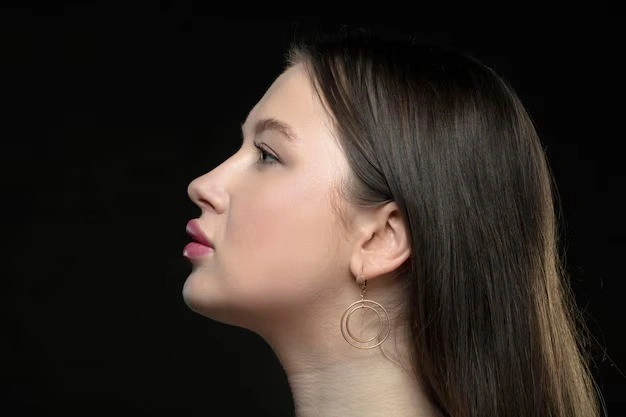
Rhinoplasty, often referred to as a nose job, is one of the most popular facial cosmetic procedures globally. It’s known for its transformative impact on facial balance and self-confidence. If you're considering rhinoplasty in Riyadh, {عملية تجميل الأنف في الرياض} you might be curious about how this surgery can impact other areas of your face—particularly your teeth. While the nose and teeth don’t seem directly connected, the anatomy of the face is complex and interrelated.
So, can rhinoplasty affect your teeth or bite? Let’s explore the relationship between nasal surgery and oral structures in depth.
How the Nose and Teeth Are Connected:
Although the nose and teeth are separate in function, they share nearby anatomical structures, including:
Maxilla (upper jaw): Forms part of the nasal cavity and holds the upper teeth
Palate: Separates the nasal passages from the mouth
Facial nerves and blood vessels: Interconnect both areas
Because of these shared connections, certain changes during rhinoplasty could have minor effects on the surrounding oral area, although significant dental impact is rare.
When Rhinoplasty May Affect Your Teeth:
While most rhinoplasty procedures focus on reshaping the external nose, specific surgical techniques or extensive structural changes could potentially influence sensations or pressure in the dental region.
Here are a few scenarios where your teeth might feel affected:
Numbness or Tingling in the Upper Teeth:
May occur due to manipulation or swelling near the infraorbital nerve
Sensations usually resolve within a few weeks as the tissue heals
Temporary and not typically harmful
Swelling in the Upper Jaw Area:
Post-operative swelling can cause tightness or pressure
You may feel slight discomfort in the gum line or upper teeth
Using cold compresses and following your surgeon’s recovery guidelines helps manage this
Altered Bite or Jaw Pressure:
Rare, but possible if the maxilla is adjusted during a complex reconstructive rhinoplasty
Mostly occurs in cases where rhinoplasty is combined with orthognathic (jaw) surgery
Not a concern for routine cosmetic nose reshaping
What Does the Research Say?:
Most studies and clinical reports indicate that standard rhinoplasty has minimal to no effect on teeth alignment or dental function. However, the perception of oral sensitivity may vary based on:
The invasiveness of the procedure
The individual's healing response
Any pre-existing dental conditions
If you already have dental work like implants, veneers, or orthodontic appliances, it’s wise to inform your surgeon in advance.
What to Tell Your Surgeon Before Surgery:
Clear communication before rhinoplasty is key to avoiding unexpected side effects. Be sure to discuss:
Any history of dental surgeries or orthodontic work
Chronic sinus or gum issues
Facial trauma that affected both nose and jaw
Concerns about oral numbness or bite changes
This will help your surgeon customize the surgical plan to avoid unnecessary pressure on adjacent structures.
Can Rhinoplasty Improve Oral Health?:
Interestingly, for some patients, nasal surgery might have a positive effect on oral comfort. Here’s how:
Improved Nasal Breathing:
Correcting a deviated septum or nasal obstruction can enhance airflow
Better breathing reduces mouth-breathing habits
Mouth-breathing is often linked to dry mouth and higher risk of cavities and gum issues
Enhanced Sleep Quality:
Better breathing at night can reduce snoring and mild sleep apnea
Quality sleep is essential for overall health, including dental wellness
So while rhinoplasty is not a dental procedure, it may indirectly improve your oral environment, especially in patients who suffer from chronic nasal blockages.
Why Choose Rhinoplasty in Riyadh?:
For those looking for experienced surgeons and world-class facilities, rhinoplasty in Riyadh has become a go-to option. The city is known for:
Board-certified facial plastic surgeons with global training
Use of advanced surgical techniques to minimize risk and downtime
Personalized consultations with 3D imaging to visualize outcomes
Multilingual staff and private, patient-centered care
Patients from across the region trust Riyadh clinics for aesthetic enhancements that respect cultural preferences and deliver natural-looking results.
Tips for a Smooth Recovery Without Oral Discomfort:
To ensure the best healing experience and avoid any unnecessary dental side effects, follow these post-op guidelines:
Stick to soft foods during the initial days post-surgery
Avoid chewing gum or sticky items that put pressure on the upper jaw
Use cold compresses to reduce swelling in the midface
Stay upright when sleeping to prevent facial fluid buildup
Keep your dentist informed if you have an upcoming appointment
If you notice prolonged numbness or pain in the teeth, consult your surgeon immediately—it’s better to be proactive than uncomfortable.
Final Thoughts :
In most cases, rhinoplasty does not affect the teeth. However, since the nose, upper jaw, and mouth are all closely connected, some temporary sensations like numbness or pressure are possible. These effects are generally mild and fade during the normal healing process.
Choosing a skilled surgeon—especially when opting for rhinoplasty in Riyadh—can further minimize any risks and ensure a smooth, complication-free journey. Always keep open lines of communication with your medical providers and follow recovery instructions closely.


